

World Wildlife Day: Simple ways to help wildlife thrive in your new garden
On 3rd March 2026, people across the world will celebrate United Nations World Wildlife Day (WWD). The day recognises the vital role that wild animals and plants play in supporting people, communities and the planet.
The theme for World Wildlife Day 2026 is “Medicinal and Aromatic Plants: Conserving Health, Heritage and Livelihoods”. It highlights how many plants we rely on for medicine, wellbeing, food and cultural traditions, and why protecting natural habitats is more important than ever.
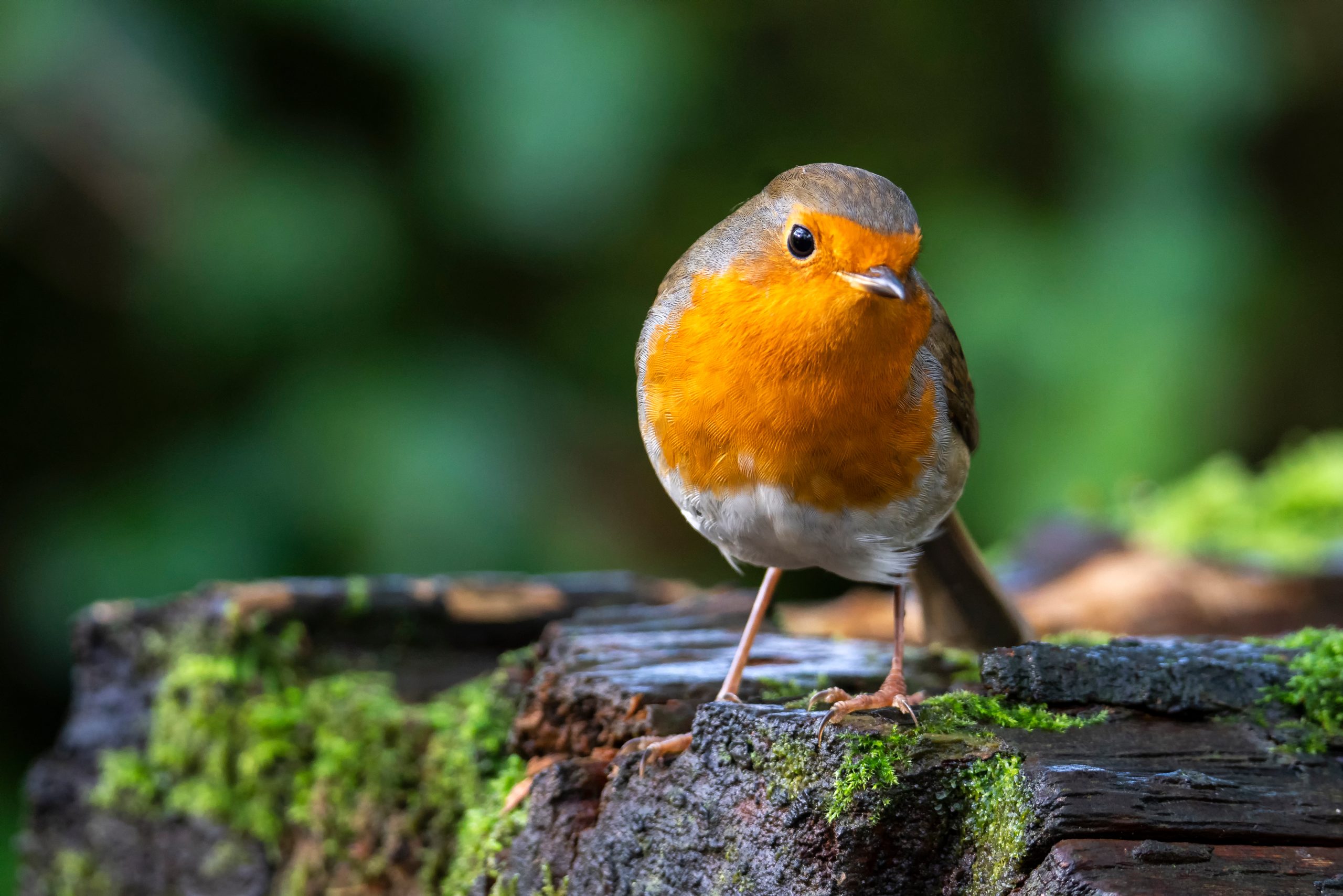
While wildlife protection is often associated with rainforests or oceans, nature is much closer to home than many of us realise. Our gardens and green spaces can provide important food and shelter for birds, insects and small mammals.
At Allison Homes, we are committed to creating developments that not only provide beautiful, high-quality homes, but also enhance the natural environment around them. Many of our communities include features such as bird and bat boxes, open green spaces and thoughtful landscaping designed to encourage wildlife.
To mark World Wildlife Day, we’re sharing some simple ways new homeowners can care for garden wildlife and make the most of these features.
Kelly Toms, Sales and Marketing Director at Allison Homes East, said: “Creating space for wildlife is something we are incredibly passionate about at Allison Homes. The gardens and green spaces around our developments are designed with biodiversity in mind, and it’s wonderful to see homeowners building on that by making small changes that support local nature. Even the smallest action can have a big impact.”
Choose wildlife-friendly planting
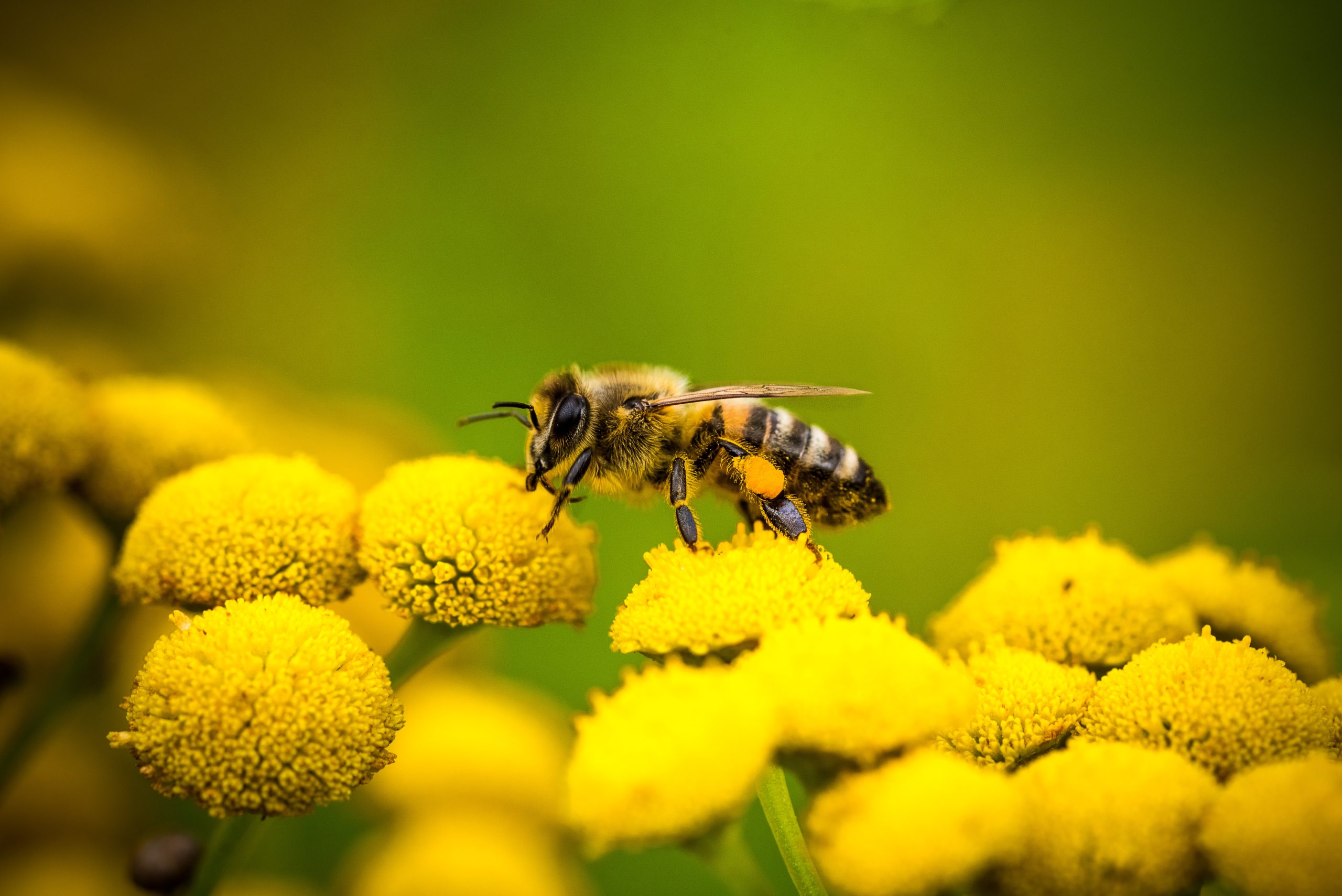
Plants rich in nectar and pollen provide essential food for bees, butterflies and other pollinators. Lavender, foxgloves, sunflowers and wildflowers are all excellent options. Native species are particularly beneficial, as local wildlife has evolved alongside them.
If space allows, consider planting a small wildflower patch instead of maintaining a perfectly trimmed lawn. Even allowing a small section of grass to grow slightly longer during spring and summer can create shelter and food for insects.
Provide fresh water safely
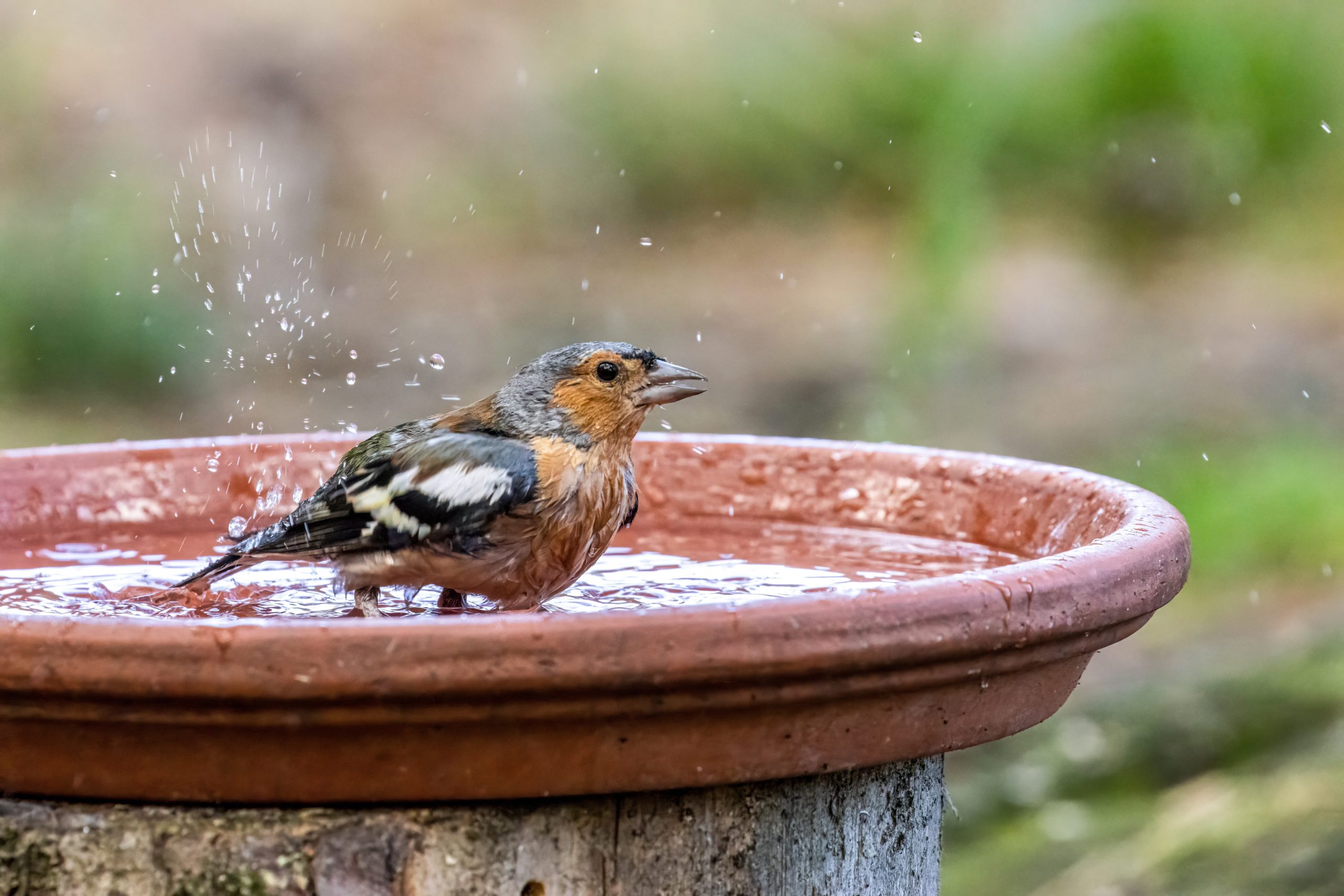
A shallow water source can make a huge difference for birds, hedgehogs and insects. A simple dish topped up regularly is ideal. Make sure it includes stones or textured sides so smaller creatures can climb out safely.
In warmer months, refreshing water daily can help wildlife during dry spells.
Create shelter and safe spaces
Wildlife needs safe places to hide and rest. A small pile of logs in a quiet corner, a compost heap, or a purpose-built bug hotel can all provide shelter.
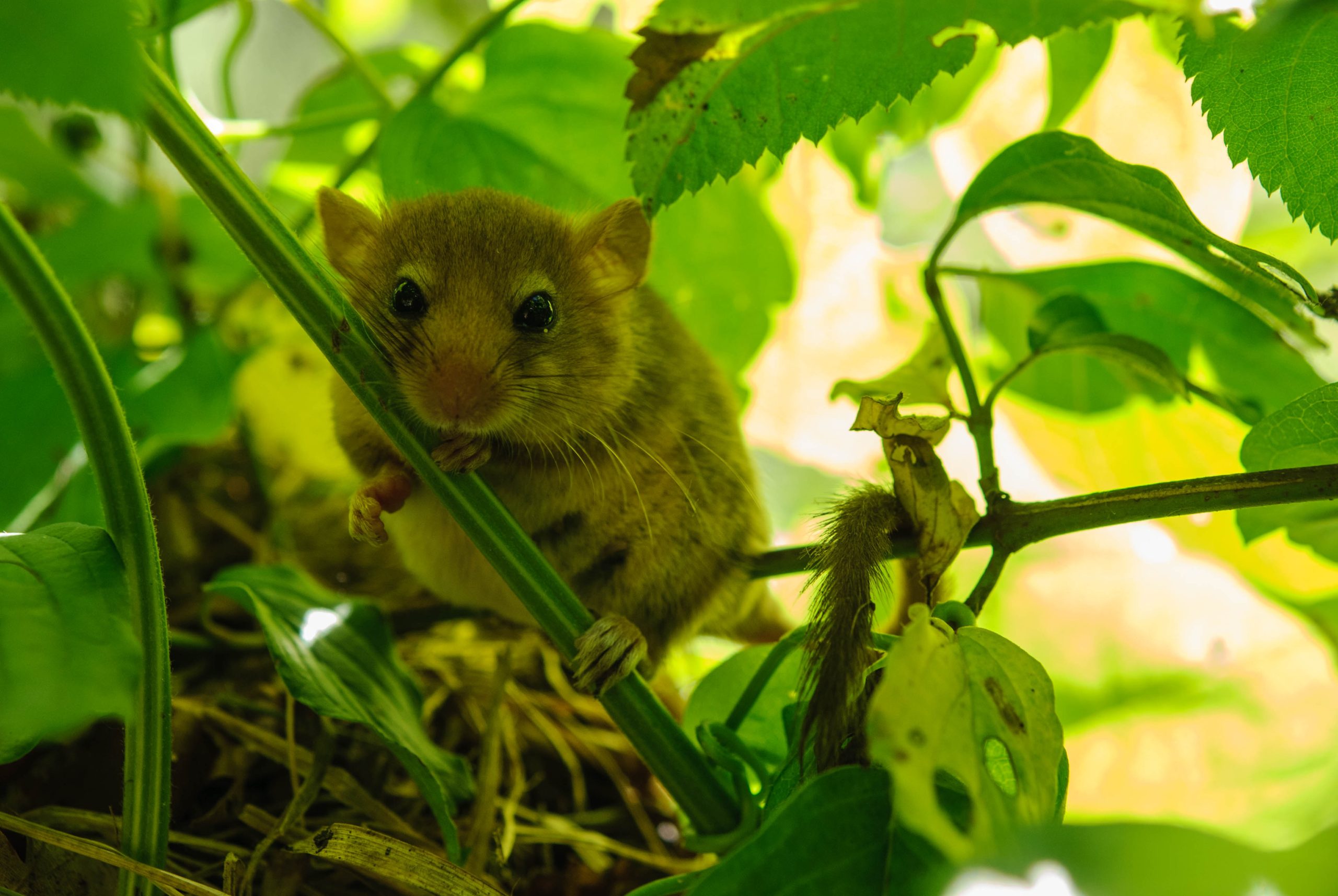
If there are natural shrub boundaries around your home, try to avoid cutting them back during spring and early summer when birds or mice may be nesting.
Avoid harsh chemicals
Reducing or eliminating pesticides and slug pellets can help protect the wider food chain. Natural solutions, such as encouraging birds and ladybirds, can manage pests without harming other species.
Healthy soil supports healthy wildlife, so composting kitchen scraps like fruit and vegetable peelings is another positive step homeowners can take.

Make the most of built-in biodiversity features
Many Allison Homes developments incorporate features such as bat and bird boxes and dedicated green open spaces. These are designed to enhance natural habitats long term.
Homeowners can support these efforts by:
- Keeping bird boxes undisturbed during nesting season
- Avoiding pruning hedges during peak breeding months
- Planting complementary native species within their own gardens
World Wildlife Day is a reminder that protecting biodiversity does not require major lifestyle changes. By taking small, thoughtful steps, homeowners can help create thriving spaces for wildlife right on their doorstep.
Visit World Wildlife Day to find out more.
To discover more about the homes and communities we are building, visit Our Developments.
Allison Homes Web Article: 2nd March 2026

