

How to Combine Different Interior Design Styles in Your Home | Decorating Month Inspiration
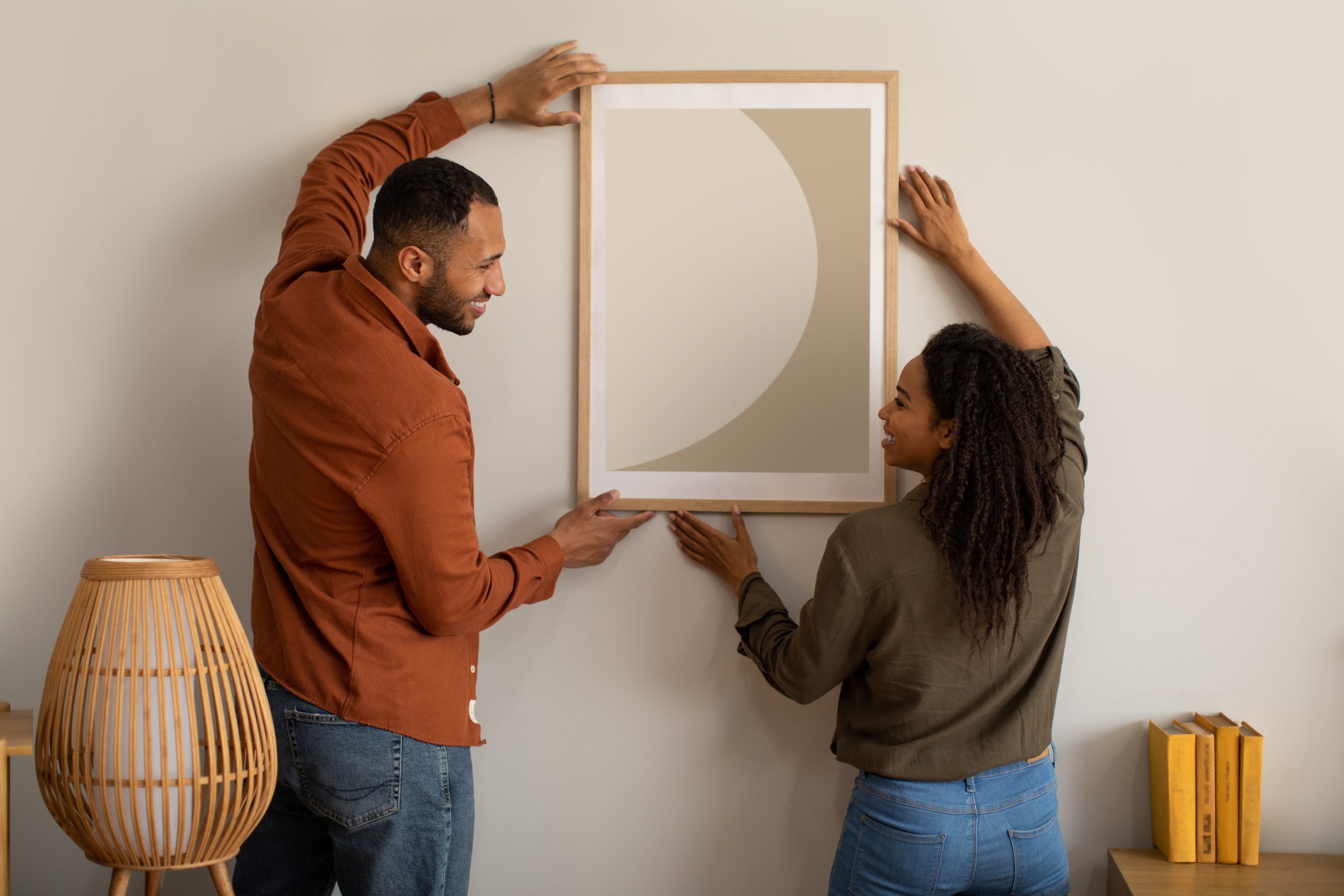
April is Decorating Month, making it the ideal time to refresh your home and rethink how your space reflects the people who live in it. But what happens when two or more people with completely different interior design styles share the same space?
It is a common challenge. One person may love clean, minimalist lines, while the other prefers cosy, layered textures. One might be drawn to bold colour, while the other gravitates towards calm neutrals. The goal is not to choose one style over another. Instead, it is about creating a home that feels balanced, personal, and welcoming for everyone.
At Allison Homes, our show homes are carefully designed to achieve exactly that. They bring together a variety of influences to create beautiful, liveable spaces that appeal to a wide range of tastes. Here is how you can do the same in your own home.
Start With Shared Ground
Before making any design decisions, it helps to identify where your tastes naturally overlap. Even very different styles often have something in common. You might both appreciate natural materials, enjoy soft textures, or prefer a similar colour tone without realising it.
For instance, someone who loves modern interiors and someone who prefers a rustic feel may both enjoy warm wood finishes and simple shapes. In another home, a person drawn to classic design and someone who prefers contemporary styling might meet in the middle through a shared love of neutral colours and uncluttered spaces.
By building your home around these shared elements, you create a cohesive foundation. This makes it far easier to introduce individual preferences without the space feeling mismatched or disconnected.
Blend Styles Instead of Dividing Them
It can be tempting to mentally divide a room into separate zones that reflect each person’s taste, but this often results in a space that feels disjointed. A more effective approach is to blend styles within the same room so that they complement each other.
A sleek modern sofa can sit comfortably alongside a vintage wooden coffee table, creating a contrast that feels intentional rather than accidental. In a kitchen, minimalist cabinetry can be elevated with statement lighting that introduces character and personality. A neutral, contemporary backdrop can be softened with traditional textures such as wool throws, linen cushions, or patterned rugs.
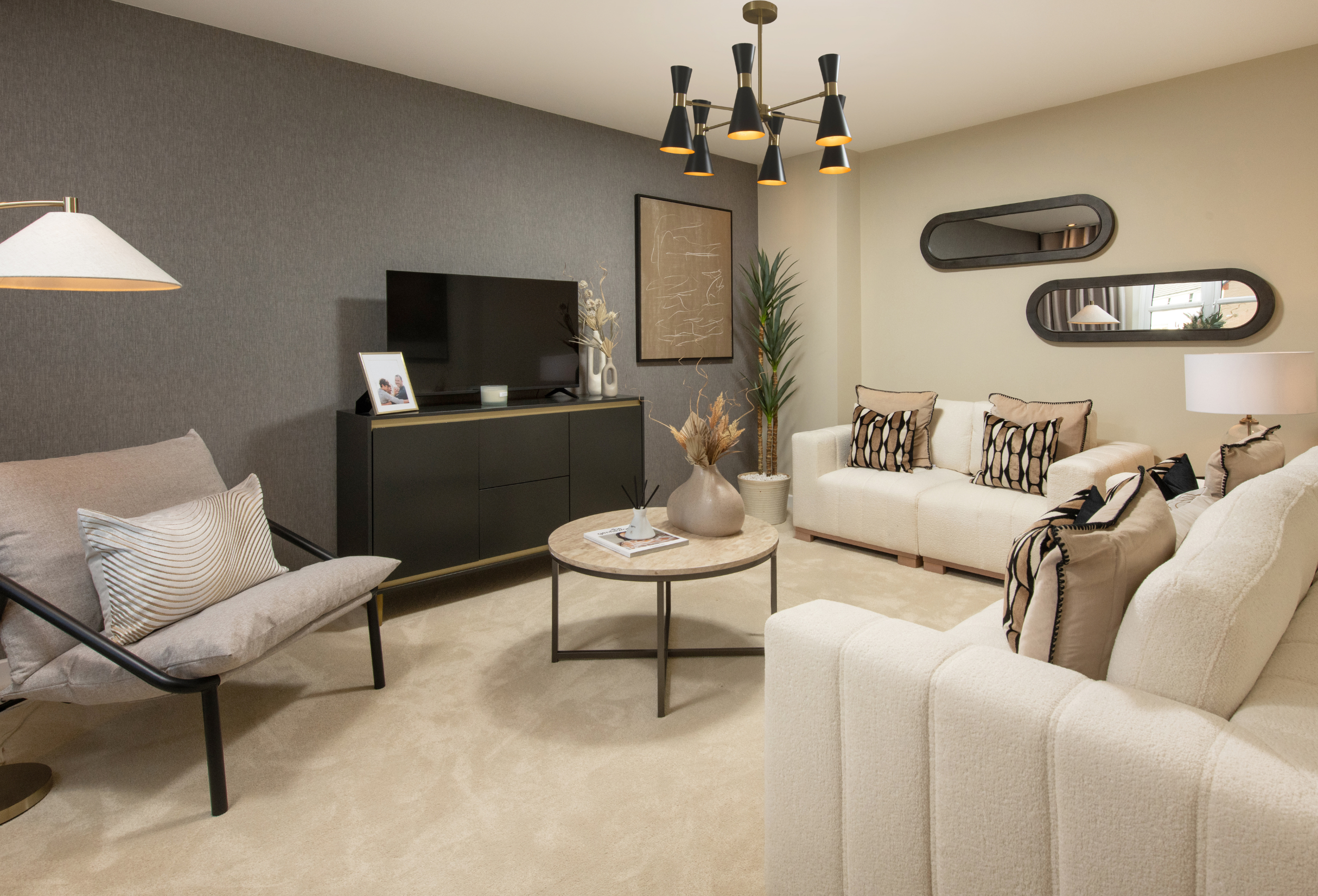
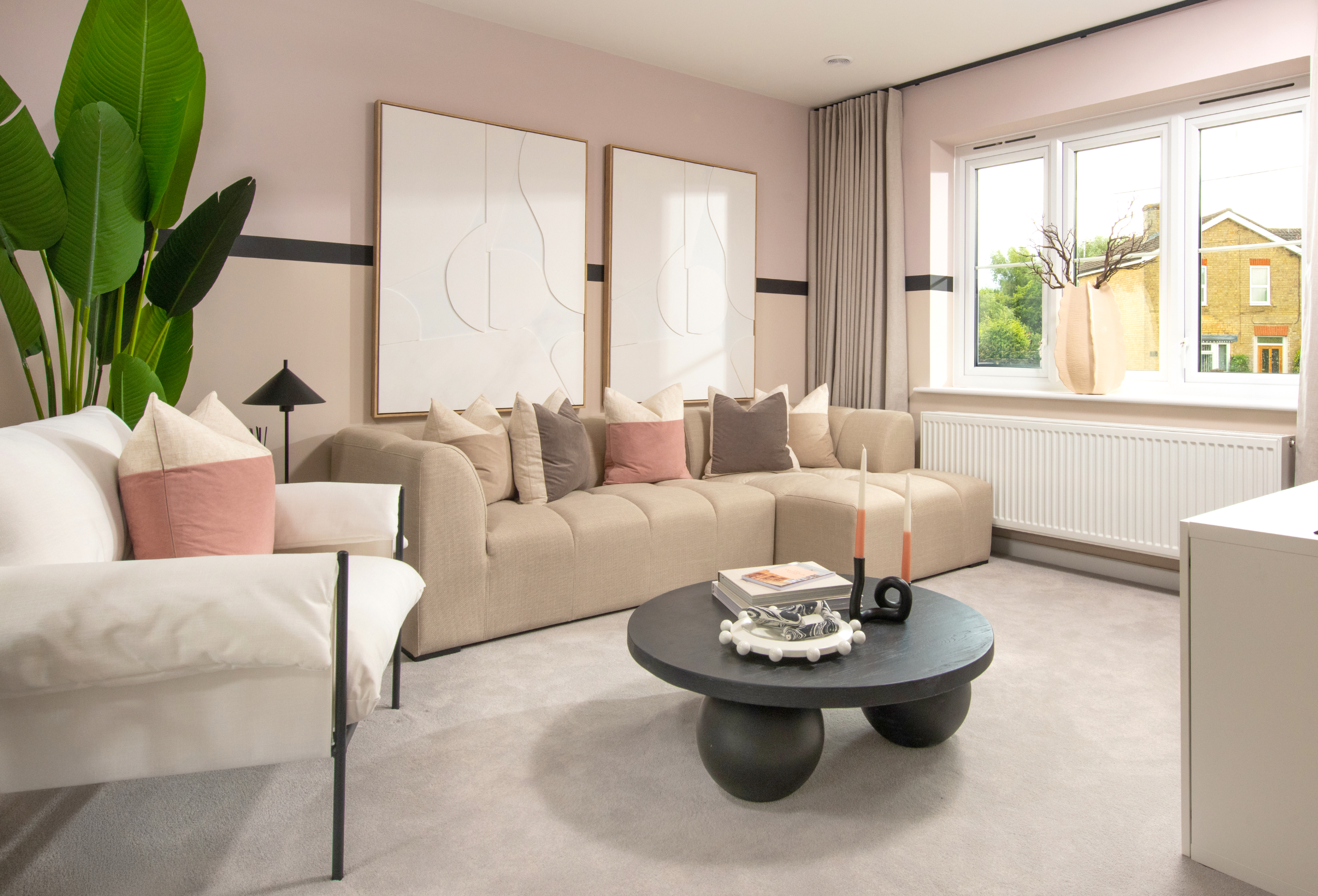
In our show homes, living spaces often demonstrate this balance beautifully. Clean architectural lines are paired with warm fabrics and layered accessories, resulting in rooms that feel both stylish and inviting. The overall look is cohesive, yet full of personality.
Use Colour to Create Harmony
Colour is one of the most powerful tools for bringing different styles together. Even when tastes vary significantly, agreeing on a core palette can unify a space.
A neutral base such as soft whites, warm beiges, or gentle greys can act as a canvas that supports a variety of styles. From there, accent colours can be introduced in ways that suit each person’s preferences. One person might favour bold cushions or artwork, while the other prefers subtle hints of colour through ceramics or textiles.
Using different tones of the same colour is another effective approach. This creates visual interest while maintaining a sense of cohesion. The result is a home that feels layered and considered rather than chaotic.
Create Dedicated Spaces for Individual Style
While shared areas benefit from balance, it is equally important for each person to have a space where their own style can take centre stage.
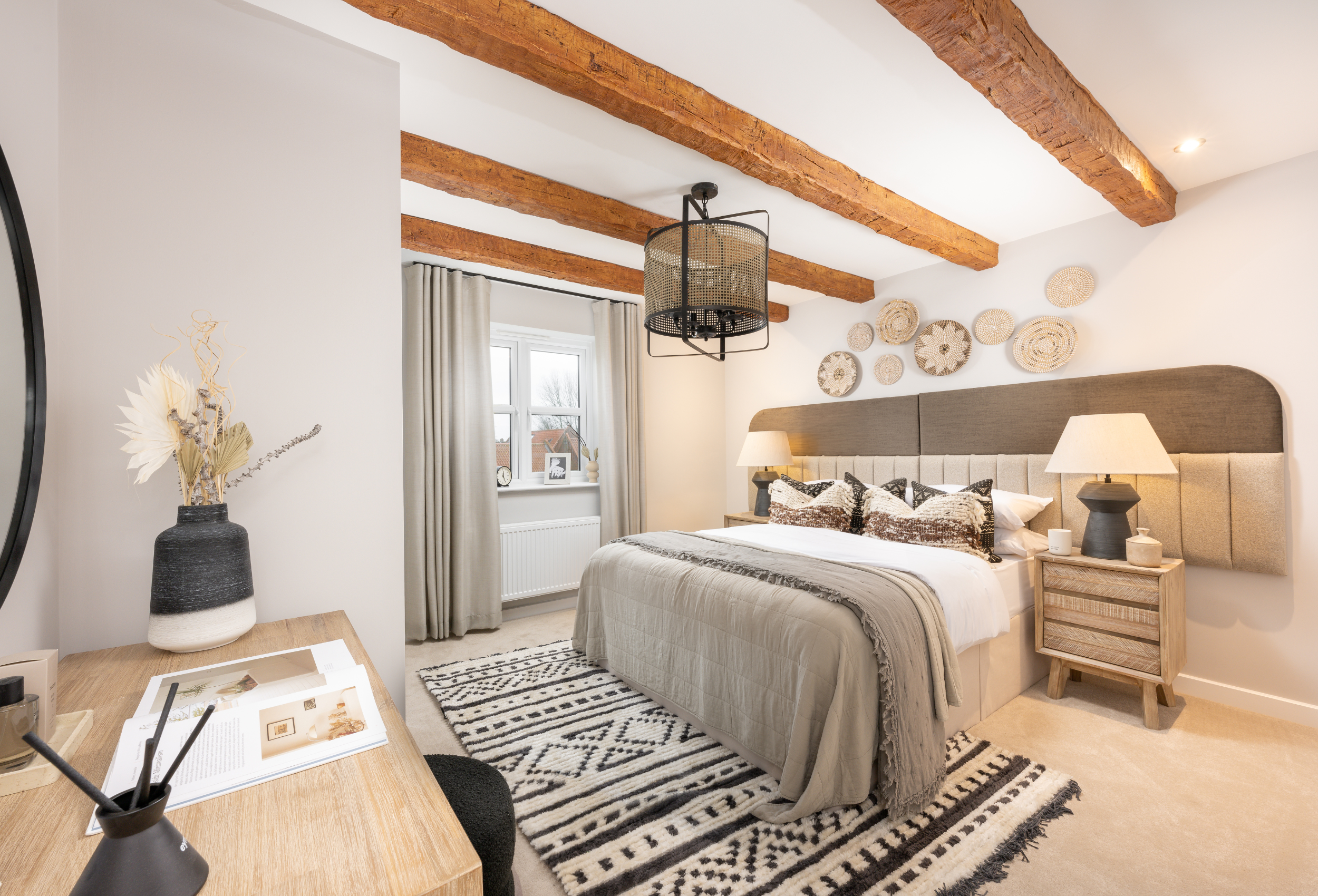
This could be a home office designed entirely around one person’s taste, a reading nook that reflects a love of comfort and texture, or a dressing room that embraces a more glamorous aesthetic. Bedrooms are another opportunity to lean more towards the occupant’s preferences, while still connecting to the overall feel of the home through colour or materials.
Different styles often lend themselves naturally to certain rooms. Bedrooms tend to suit softer, more calming interiors that promote relaxation. Kitchens usually benefit from a cleaner, more functional approach with subtle design details. Living areas are ideal for layering styles, as they are spaces where comfort and social interaction are key.
In our show homes, each room is thoughtfully designed with its purpose in mind, allowing for variation in style while maintaining a consistent flow throughout the home.
Let Function Guide Decisions
When opinions differ, focusing on function can help bring clarity. Considering how a space is used on a daily basis often makes design decisions more straightforward.
Think about how you move through the room, what furniture you genuinely need, and how the layout supports your lifestyle. A busy family kitchen, for example, may prioritise durability and storage, while a living room might focus on comfort and seating.
Once these practical elements are agreed upon, it becomes much easier to layer in style. This approach keeps discussions grounded and ensures the finished space works for everyone.
Introduce Variety Through Materials and Texture
If combining styles feels challenging, shifting the focus to materials and textures can make the process more intuitive.
A mix of wood, metal, and glass can create contrast without overwhelming the space. Soft fabrics such as velvet or linen can sit alongside more structured finishes, adding depth and interest. Combining matte surfaces with subtle shine can also enhance the overall look.
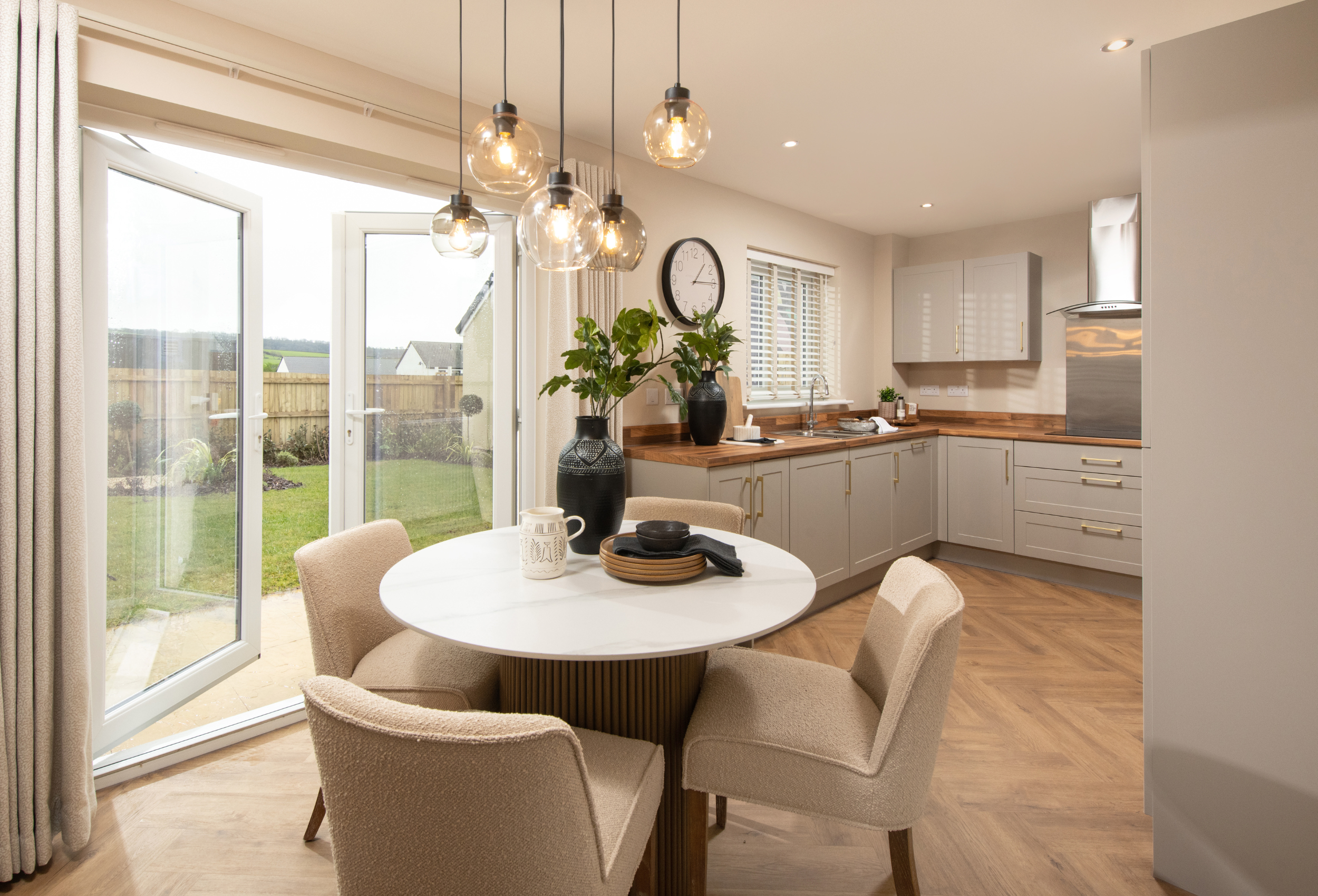
For example, a modern kitchen can feel warmer and more inviting when timber accents are introduced. Likewise, a more traditional space can feel refreshed with sleek lighting or contemporary hardware. These subtle combinations help bridge the gap between different design preferences.
Take Turns Leading the Design
Not every decision needs to be a compromise. In some areas of the home, one person can take the lead, while the other does the same in a different space.
You might choose to let one person shape the overall look of the living room, while the other focuses on the bedroom or outdoor space. You could also alternate decisions when updating décor or introducing seasonal changes.
This approach ensures that both individuals feel represented in the home, without every choice becoming a negotiation.
Communicate Clearly and Early
Many design disagreements can be avoided through open communication. Taking the time to explain what you like and why can make a significant difference.
Describing how a space should feel can often be more helpful than focusing on specific items. For example, expressing a preference for something softer, brighter, or more minimal gives clearer direction than simply rejecting an idea.
Sharing inspiration images or creating a simple mood board can also help you visualise how different styles might come together before making any final decisions.
Allow Your Style to Evolve
A home is never truly finished, and your style will naturally change over time. Instead of aiming for perfection straight away, focus on creating a space that feels comfortable and adaptable.
Layering your interiors gradually allows you to refine your choices and discover what works best for both of you. Over time, this often leads to a more authentic and harmonious result.
Taking Inspiration From Show Homes
At Allison Homes, our show homes are designed to inspire a wide range of buyers, which means they naturally bring together different styles, textures, and influences.
From welcoming living areas to thoughtfully designed kitchens, relaxing bedrooms, and practical bathrooms, each space is carefully curated to feel both stylish and functional. These homes demonstrate how balance, flexibility, and attention to detail can create interiors that work beautifully for modern living.
If you are looking for ideas on how to combine different tastes in your own home, why not explore our show homes in person. Find a development near you and book a visit to experience how these spaces are brought to life, discovering inspiration you can take home with you.
Combining different interior design styles is not about compromise in a negative sense. It is about collaboration. By focusing on shared elements, blending styles thoughtfully, and allowing space for individuality, you can create a home that truly reflects everyone who lives there. This Decorating Month is the perfect opportunity to rethink your space and shape it into something that feels balanced, personal, and uniquely yours.
Allison Homes Web Article: 21st April 2026

